
Your dog pulls on the leash, barks at the mailman, or refuses to come back when you call him at the park. These everyday situations almost always have an explanation related to breed, training, or both. Understanding your dog starts with accepting that he doesn’t think like us, and then adjusting your expectations to what he truly is.
Dog Body Language: What Your Companion is Trying to Tell You
Before discussing breeds or diet, one point deserves your full attention: non-verbal communication. A dog that yawns during a walk is not tired. He is expressing stress or discomfort in a new situation.
Similarly, a dog that turns his head when you stare at him is not ignoring you. He is sending you a calming signal to avoid conflict. These micro-expressions often go unnoticed by most owners, leading to misunderstandings in daily life.
Have you ever noticed your dog licking his lips for no apparent reason in front of another dog? It’s a gesture of pacification. Recognizing it allows you to intervene before the tension escalates. Observing these details transforms the relationship: you respond to a need instead of correcting a behavior you don’t yet understand.
To delve deeper into these topics and keep up with canine news, dogs on the Animal News site regularly cover behavioral and veterinary angles useful in daily life.
Choosing a Dog Breed Suitable for Your Lifestyle
The choice of a breed should never be based on appearance. An Australian Shepherd in a 30 m² studio without a garden is a recipe for disaster. This dog needs intense mental and physical stimulation every day.
Active Breeds and Sporty Families
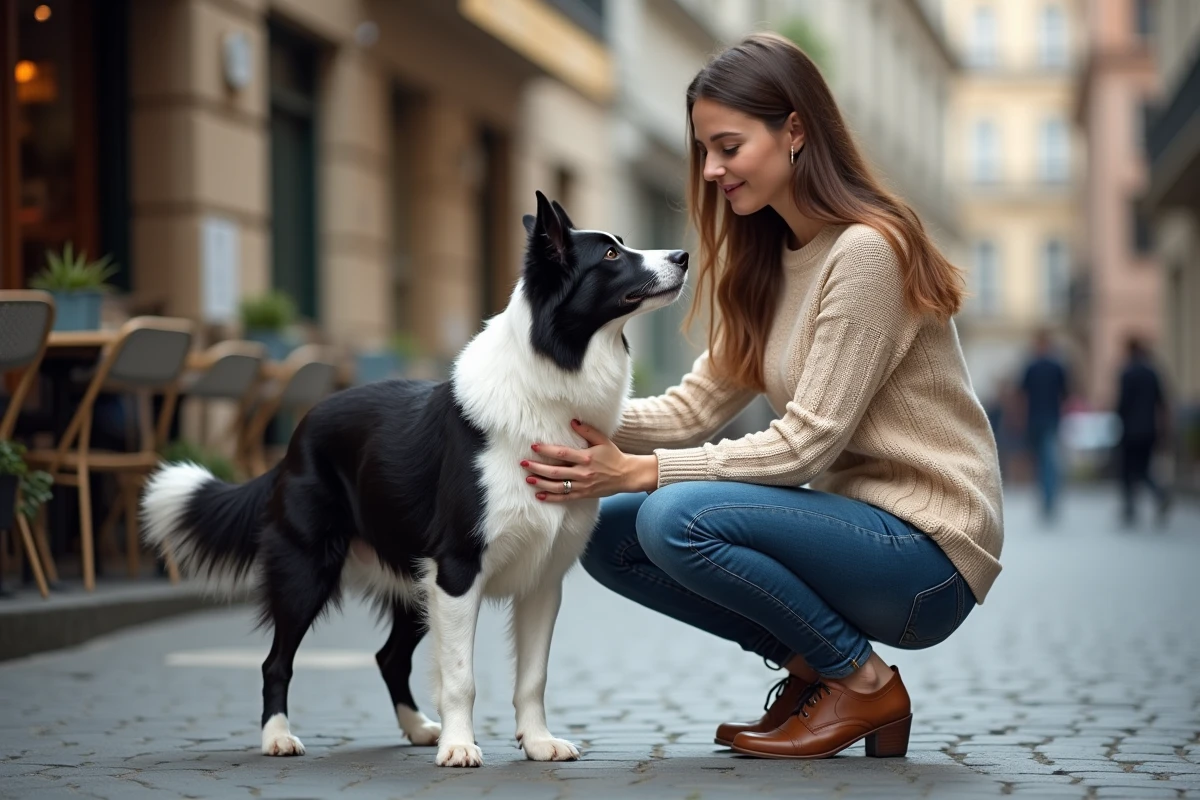
Herding dogs (Belgian Shepherd, Border Collie, Australian Shepherd) excel when their owner runs, hikes, or engages in a canine sport. A herding dog without activity develops behavioral issues: destruction, compulsive barking, running away.
These breeds learn quickly, which is appealing. However, this liveliness can turn against an owner who is not available. If you work full-time without the possibility of outings during the day, consider a calmer temperament.
Calm Breeds for Apartment Living
The Cavalier King Charles, French Bulldog, or Pug adapt well to small spaces. However, be cautious with brachycephalic breeds (short-nosed): for several years, veterinarians and animal protection associations have warned about the serious respiratory issues these dogs face. Official recommendations advise limiting their breeding without prior respiratory health tests.
If you fall for a French Bulldog, demand the respiratory test results of the parents from the breeder. It’s the minimum to avoid heavy veterinary costs and, most importantly, avoid unnecessary suffering for the animal.
Abandonment and Impulsive Purchases: The Reality Behind Trendy Breeds
European shelters have noted a marked increase in the abandonment of young dogs from so-called “designer” mixes: Cockapoo, Cavapoo, Labradoodle. SPA France and FEDIAF (European Federation for Pet Animal Protection) have documented this trend in their recent reports.
The scenario repeats itself: a puppy bought on social media, without verifying the breeder, then abandoned a few months later due to unforeseen behavioral or health issues. Buying a dog on social media without seeing the breeding facility is the primary risk factor for abandonment.
- Always check the breeder’s SIREN number and request to visit the premises before making any reservation.
- Meet the puppy’s parents to observe their temperament and living conditions.
- Choose a breeder who asks questions about your lifestyle: a good breeder also selects their adopters.
- Consider adopting from a shelter, where adult dogs with known temperaments are waiting for a family.

Owner Training: An Emerging Requirement in France
In France, a report submitted to the Ministry of Agriculture in 2023 (Mission on the Prevention of Dog Bites) proposes going beyond lists of “dangerous breeds.” The idea is to impose mandatory training for all dog owners, regardless of breed.
This shift makes sense. The majority of bites do not involve categorized dogs. They occur within the family context, often because the dog’s warning signals have been ignored for weeks or months.
What This Training Could Change
A trained owner knows how to read their dog’s postures, understands the socialization periods of the puppy, and adapts interactions with children. This is not just an administrative formality: it is a concrete lever to reduce incidents and abandonments.
Several European countries have already adopted this type of measure. Switzerland, for example, has required a practical course for first-time owners for years. The French project aligns with this trend of owner responsibility rather than stigmatizing certain breeds.
- Puppy socialization between three and twelve weeks shapes a large part of their adult behavior.
- A dog not socialized with other animals, urban noises, or veterinary handling develops fear reactions that can lead to aggression.
- Group dog training classes, accessible from two months of age, remain the best investment for a new owner.
The passion for dogs goes beyond choosing a photogenic breed. It starts with a simple question: do I have the time, space, and willingness to adapt to this animal for the next ten to fifteen years? A well-understood dog is a dog that has no reason to cause problems. The rest is mutual learning.