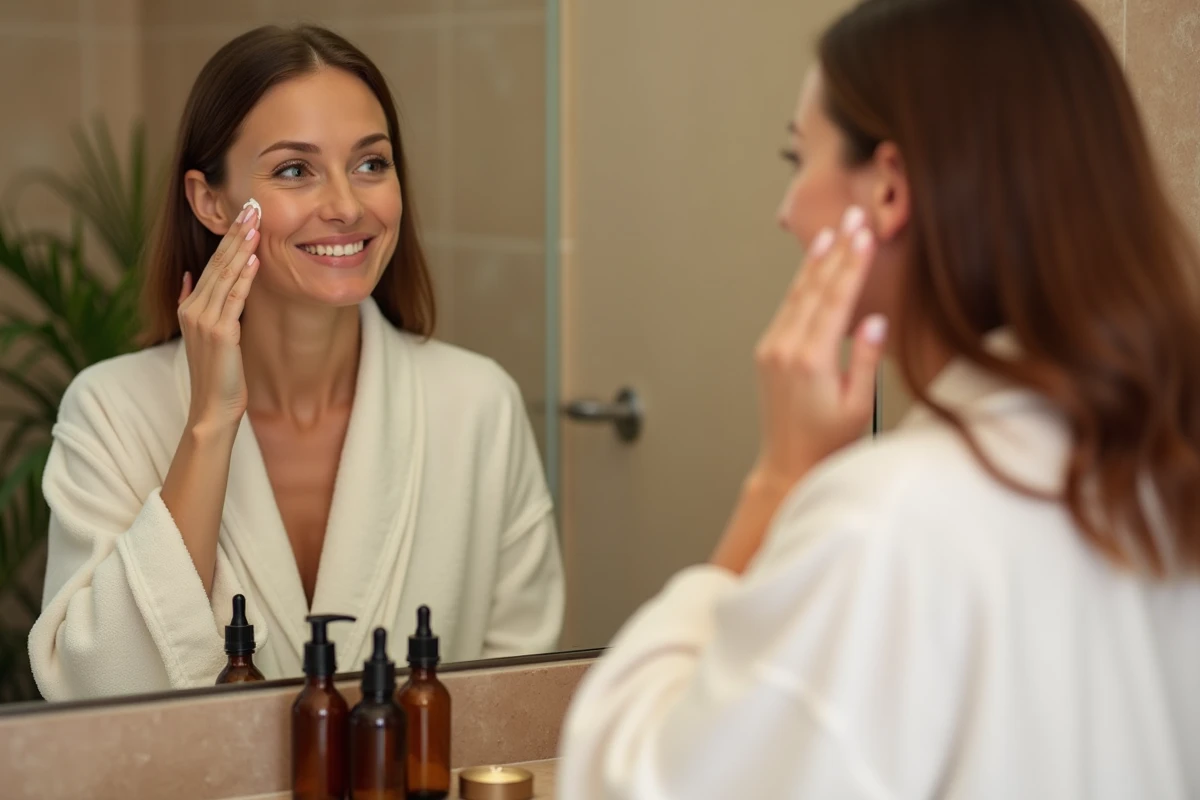
What really distinguishes skin that ages quickly from skin that retains its glow? Three measurable parameters concentrate the essence of the answers: the quality of the skin barrier, the level of exposure to external aggressions, and the state of the surface microbiome. This article analyzes the parameters that weigh most on skin aging, relying on the recent data available.
Skin Barrier and Microbiome: The Two Indicators to Monitor for Youthful Skin
Moisturizing, protecting, exfoliating: these actions are present in all routines. Their effectiveness, however, depends on a common foundation, the skin barrier function – this superficial lipid layer that retains water and filters aggressions.
Recent studies show that the diversity of the skin microbiome is correlated with better elasticity and a decrease in fine lines, particularly in women over fifty. Aggressive treatments (over-cleansing, frequent antiseptics) reduce this diversity and can accelerate dryness and loss of glow.
In other words, too frequent cleansing is more harmful than a lack of cream. The first “microbiome-friendly” labels that appeared in Europe are pushing some brands to adjust the pH and surfactants of their products to preserve this ecosystem. Among the Francophone resources that compile these approaches, nouvellejeunesse.fr details the routines formulated to respect this fragile skin balance.

Factors of Skin Aging: Comparison of External Aggressions
Not all aggressions have the same impact on skin aging. The table below compares the main documented factors and their mode of action on the skin barrier.
| Factor | Main Mode of Action | Reversibility |
|---|---|---|
| UV (sun) | Collagen degradation, brown spots, skin laxity | Low once damage is established |
| Urban air pollution | Oxidative stress, chronic surface inflammation | Partial with protection and antioxidants |
| Endocrine disruptors (certain UV filters, parabens) | Alteration of barrier function, pro-inflammatory effects | Variable depending on duration of exposure |
| Over-cleansing / aggressive surfactants | Destruction of the lipid film and microbiome | Good if rapid cessation of the offending products |
| Chronic stress and lack of sleep | High cortisol, slowing of cell renewal | Good with changes in habits |
Notably, sun protection remains the factor with the greatest impact on premature aging. In contrast, urban pollution and endocrine disruptors found in certain cosmetics represent cumulative aggressions whose effects only become apparent after years of exposure.
Endocrine Disruptors in Skincare: A Blind Spot in the Anti-Aging Routine
In recent years, European health authorities have strengthened the evaluation of several chemical substances present in common skincare products. Some older UV filters (notably benzophenones) and preservatives are now associated with pro-inflammatory skin effects.
The paradox is worth noting: a product meant to protect the skin can accelerate its aging if its formulation contains these substances. Vigilance focuses on three categories of ingredients:
- First-generation chemical sunscreens, gradually replaced by mineral filters or new-generation organic filters in recent European formulations
- Long-chain parabens, still present in some products sold outside the European Union but increasingly avoided by brands distributed in pharmacies
- Sulfate surfactants in facial cleansers, which alter skin pH and weaken the microbiome with each use
Reading the INCI list of a product before purchase is not a trivial reflex. It is the only way to ensure that the skincare routine does not sabotage the barrier it claims to strengthen.
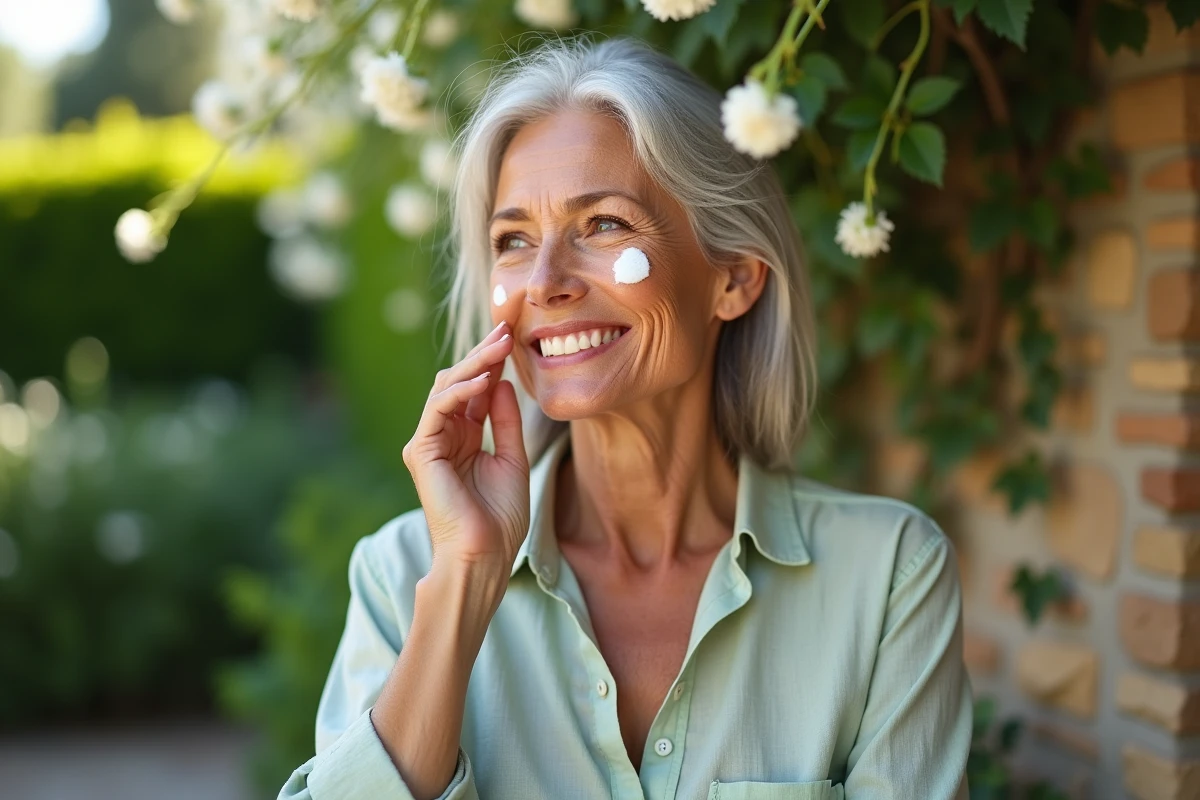
Sleep, Stress, and Cell Renewal: What the Skin Repairs at Night
Skin cell renewal accelerates during deep sleep. Chronic sleep deprivation maintains high cortisol levels, which slows this process and promotes surface inflammation.
Sleep acts as a free active treatment. No serum can compensate for a repeated lack of rest. Chronic stress produces the same mechanism through another pathway: cortisol gradually degrades collagen and elastin fibers.
Conversely, moderate physical activity improves skin microcirculation and promotes tissue oxygenation. The effect on facial glow is noticeable within a few weeks for sedentary individuals who resume regular activity.
Daily Routine for Facial Skin: The Actions That Really Matter
Rather than a list of twelve actions, half of which are common sense, three key areas concentrate the essence of results:
- A daily sun protection suitable for skin type, with a sufficient SPF and a formulation free of controversial filters, applied even on cloudy days
- A gentle cleansing, only once a day in the evening, with a product close to the skin’s pH (around five), to preserve the skin microbiome
- A targeted hydration according to skin type: oily skin does not need the same formulation as dry skin, and overloading combination skin with oils undermines the barrier function instead of supporting it
Exfoliation, often presented as a fundamental action, benefits from being spaced out. One to two gentle scrubs per week are sufficient to stimulate cell renewal without damaging the stratum corneum.
Among the analyzed factors, sun protection and sleep quality are the two levers whose impact on skin aging is best documented. Any routine should ensure that these two parameters are addressed before piling on products.